


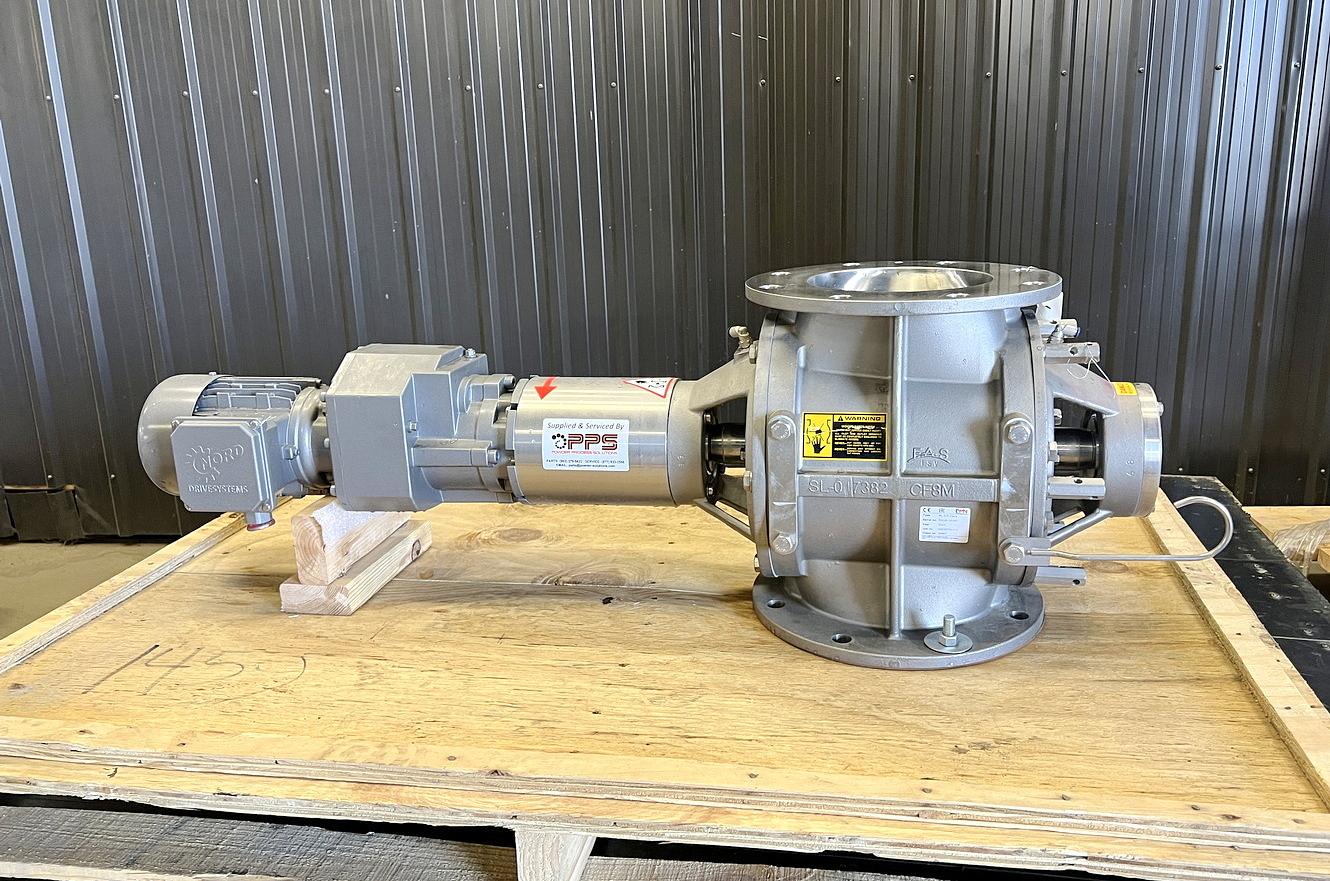
Understanding industrial valves: types and essential maintenance practices
The world of industrial processes relies on precise control of fluid movement, a task managed by various kinds of valves. From water treatment to chemical manufacturing and energy transmission, every system depends on the correct type of valve, selected for its specific function and ability to handle certain fluids or operational conditions. Ensuring these components remain reliable requires not only proper selection but also diligent maintenance. Exploring the diversity of valve designs and their upkeep strategies highlights their critical role in preventing downtime and upholding safety standards.
Industrial valve basics: function and significance
Valves are indispensable for controlling, isolating, and protecting fluid networks. Whether the application involves water, steam, compressed air, or gas, these mechanical devices can halt, release, regulate, or redirect flow within pipes and systems. Their durability and reliability directly influence industrial productivity as well as environmental and workplace safety.
Continuous exposure to pressure, temperature variations, chemicals, and particulates makes thoughtful design and regular servicing essential. Poorly performing valves can compromise entire operations, leading to leaks, contamination, or hazardous failures. The unique characteristics of each valve type, along with tailored maintenance routines, are vital for optimal efficiency.
Main categories of industrial valves and their uses
The field of industrial valves is diverse, with each category engineered to meet specific requirements. Selection depends on the nature of the fluid, pressure and temperature ratings, and compliance with regulatory standards.
Certain key types have become industry staples, each offering distinct advantages for particular scenarios. Some prioritize rapid shut-off, while others excel at steady regulation or one-way flow assurance. Below are the most widely used valve designs across industrial sectors.
Ball valves and butterfly valves: when swift action and simplicity matter
Ball valves are valued for their simple yet effective design, providing efficient isolation. Utilizing a spherical closure mechanism, typically operated by a quarter-turn lever, they allow quick opening or closing positions. This makes them ideal for applications demanding tight shut-off and minimal leakage, especially where pipe disassembly must be avoided. They are best suited for clean media such as water, non-corrosive liquids, or gas, including use in energy storage and transfer lines.
Butterfly valves operate via a rotating disc that opens or blocks flow with just a partial turn. Their lightweight construction and compact form factor make them suitable for large-diameter pipelines, reducing both space and cost. These valves are commonly found in food processing, pharmaceutical production, and chemical plants. Their ease of operation and capacity to throttle flows offer versatility in many commercial installations.
Gate, globe, and check valves: achieving targeted control
Gate valves are designed for complete blockage rather than incremental flow adjustment. By raising or lowering an internal gate into the path of the medium, they provide minimal resistance when open and almost no pressure loss. For situations requiring full-on or off states, such as isolating segments of water or process piping, gate valves deliver dependable performance over long periods.
Globe valves stand out for their ability to precisely modulate flow, not just stop or start it. A movable disk or plug adjusts relative to a stationary ring seat, enabling accurate regulation. Their robustness under high-pressure or high-temperature conditions makes them suitable for wastewater management, chemical production, and the food industry.
Check valves play a unique role by ensuring one-way fluid flow. They automatically close to prevent backflow, safeguarding pumps and sensitive equipment from reverse surges. Variants such as lift-type and swing-type adapt to different system needs and the physical properties of transported substances.
Pneumatic, pinch, and safety valves: special-purpose solutions
Pneumatic valves are integral to automated control systems, particularly when remote actuation is paired with advanced process monitoring. Integration with feedback sensors enhances responsiveness throughout distributed facilities.
Pinch valves are specifically designed to manage abrasive slurries, granules, or corrosive materials. Featuring a flexible elastomer sleeve pinched by the actuator, these valves prevent direct metal-to-media contact, reducing clogging and premature wear. Sectors handling powders or aggressive mixtures benefit significantly from this solution.
Safety valves, also known as pressure relief valves, are automatic devices that open at set thresholds, releasing excess medium to prevent dangerous buildup. Steam boilers, high-pressure tanks, and critical vapor pipelines depend on these mechanisms for ongoing protection without operator input.
Proven approaches to valve maintenance and refurbishment
Consistent performance is non-negotiable in all industries, making routine inspection and servicing crucial elements of valve management. Operational longevity depends not only on initial product quality, but also on how proactively maintenance is scheduled and performed.
Maintenance activities include external checks such as leak detection, cleaning actuator parts, and verifying alignment, as well as more detailed interventions inside the valve body, particularly for seat repair and restoration of the sealing surface.
- Seat lapping or grinding removes deposits and restores flatness, ensuring optimal sealing.
- Recharging applies protective coatings to worn surfaces, which is essential for abrasive or corrosive services.
- Stem inspections help prevent sticking or galling, issues that often affect rotary or rising mechanisms.
- Testing under simulated working pressures confirms leak-tight shutdowns, a critical step before returning valves to service.
For complex equipment, controlled workshops and specialized machining may be necessary to restore seats or seals to functional tolerances. Adhering to manufacturer specifications provides extra assurance against unexpected outages.
Answers to common questions about industrial valve types and care
How does choosing the wrong valve affect an industrial system?
Selecting an unsuitable valve can lead to poor sealing, accelerated wear, or even complete system failure. For example, using a ball valve in high-particulate flows increases the risk of jamming, while overlooking corrosion-resistant materials significantly shortens lifespan. Proper specification should align the valve’s material and style with the operating fluid and expected environment. Failure to do so often results in higher maintenance costs and unplanned downtime.
Which indicators signal that an industrial valve may need servicing?
Common warning signs include visible leaks, stiffness or unusual noises during operation, unexpected pressure drops, or inconsistent flow rates. Observing any of these suggests internal or external damage. Early intervention can prevent minor issues from escalating. Specific symptoms also vary by valve type, such as increased turning force in gate models or vibration in butterfly units.
What are the basic steps involved in standard valve maintenance?
Routine valve maintenance generally covers:
- Visual inspections for corrosion or buildup
- Shaft or stem lubrication to minimize friction
- Seal and gasket evaluation to ensure leak-free performance
- Functional tests, including complete open/close cycles under pressure
- Cleaning or replacing internal components as needed
Exact procedures will differ depending on whether the valve operates in a sanitary, abrasive, or high-pressure environment.
These resources help plant managers align equipment choices with project requirements and long-term reliability objectives.